The Sopras Tek dry suit range covers trilaminate and neoprene suits from entry-level front- and back-entry configurations through fully equipped technical diving suits with ring seal systems, Tizip zippers, and Kevlar reinforcement. Alongside the suits themselves, the range includes undersuits from 100 g base layers to 350 g Thinsulate-lined garments, dry suit boots, thermal socks, seals, valves, zippers, inflation hoses, and carry accessories — everything needed to configure, maintain, and service a complete dry suit system.
-
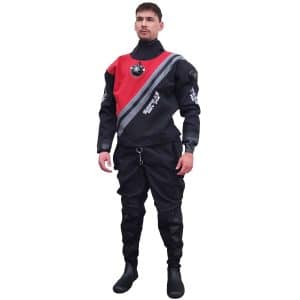
Dry suits with front zipper (13)
-

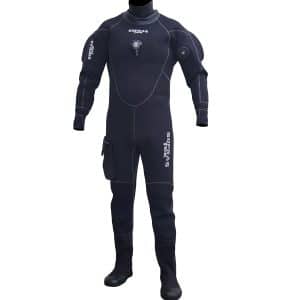
Neoprene dry suits (3)
-
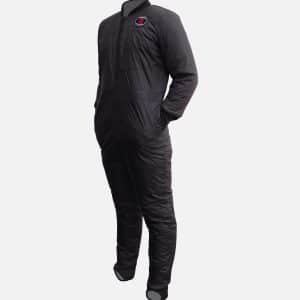
Undersuits (7)
-
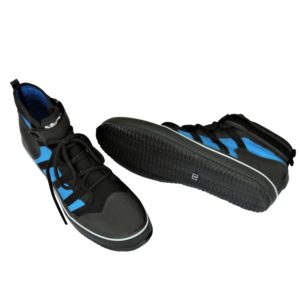
Boots (5)
-
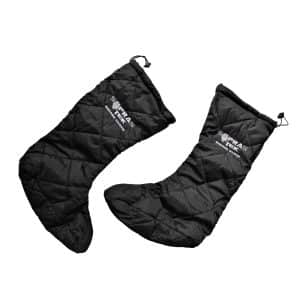
Undersuit socks (4)
-
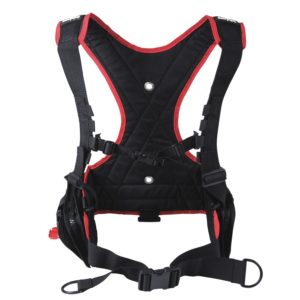
Belts for dry suits (2)
-
Accessories Dry Suits (10)
-
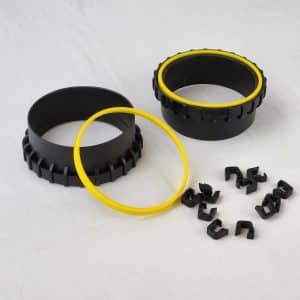
Replacement dry suits (12)
-
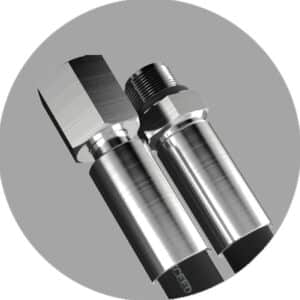
Dry suit Hoses (1)
Dry Suits for Technical and Cold-Water Diving
Dry suits with front zipper
Trilaminate suits with front-entry waterproof zipper in Cordura and Kevlar outer fabrics. Standard latex seals, silicone seals, and ring seal systems (Orust, Slaggo). Booties and neoprene sock configurations. 13 models from 725 € to 1350 €.
Dry suits with back zipper
Trilaminate and neoprene suits with back-entry zipper. Includes 3.5 mm pre-compressed neoprene with BDM zipper, 5 mm neoprene, Neoprene Siberia 2025, and a trilaminate back-zip option. 4 models from 658 € to 850 €.
Undersuits
Thermal undergarments from 100 g standard fleece through Metalux 200, Metalux 300, Bodycore 200, Thermax, and Activa 350 g. Matched to suit type and water temperature. 7 models from 99 € to 261 €.
Boots
Rubber, canvas, and neoprene boots for separate wear over drysuit socks or as replacement integrated boots. Multiple sole constructions for different entry types. 5 models from 46 € to 125 €.
Undersuit socks
Thermal socks in standard and Thinsulate fill, 200 g and 400 g weights, for use inside drysuit boots or integrated socks. 4 models from 38 € to 47 €.
Replacement dry suits
Seals (latex, silicone, TPE), ring seal systems (Orust, QCS, Slaggo), inflation and deflation valves, Tizip waterproof zippers, and wrist seal formats. 12 consumable and service components.
Accessories Dry Suits
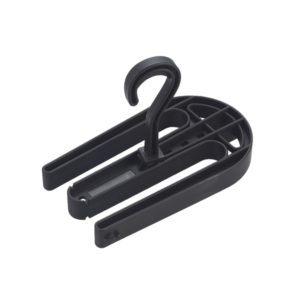
Carry bags, suit hangers, calf retainers, zipper lubricant, rubber bands, weight belts, and LP inflation hoses. 10 items for storage, maintenance, and dive site use.
Belts for dry suits
Crotch and waist belts for suit fit management and air migration control. New black belt (115 €) and red weight belt (49 €).
Dry suit Hoses
LP smooth hose for dry suit inflation valve connection to the first stage. 29–35 € in two lengths.
How Dry Suits Work
A dry suit creates a watertight barrier between the diver and the water using sealed wrist and neck seals and a waterproof zipper. Unlike a wetsuit, a dry suit provides no inherent thermal protection in most configurations — the warmth comes from the air layer trapped inside and from the undersuit worn beneath it. This separation of sealing and insulation functions allows the diver to adjust thermal protection independently by changing the undersuit without replacing the suit itself.
During descent, the air inside compresses and must be replaced through an inflation valve connected via a low-pressure hose to the first stage regulator. On ascent, expanding air is vented through an exhaust valve on the upper arm. Managing this air volume is a core dry suit diving skill — it directly affects buoyancy, trim, and control.
Trilaminate vs. Neoprene Construction
Trilaminate (membrane) suits consist of three bonded layers — a waterproof membrane between a durable outer fabric (Cordura or Kevlar) and an inner lining. They offer no inherent insulation, dry quickly, pack small, and allow easy thermal adjustment by swapping undersuits. Freedom of movement is a notable advantage. The Sopras Tek trilaminate range spans standard Cordura to Kevlar-reinforced and lightweight Kevlar configurations for technical diving use.
Neoprene suits provide built-in insulation from the foam cell structure of the material. Standard neoprene is warm but compresses at depth, changing both insulation and buoyancy characteristics. Pre-compressed (crushed) neoprene — as used in the 3.5 mm BDM suit — minimises this depth compression while retaining neoprene’s abrasion resistance and durability. Neoprene suits are heavier, take longer to dry, and are often the preferred choice for frequent shore diving in rough conditions.
Seal Systems
The seal interface between suit and diver is the most maintenance-intensive element of a dry suit. Three seal materials are available across the Sopras Tek range: latex (standard neck and wrist seals), silicone (latex-free alternative, longer service life), and TPE (thermoplastic elastomer wrist seals in multiple colours). For divers who want tool-free seal changes on the dive site, ring seal systems allow seals to be swapped in seconds using a retaining ring — the Orust system is used at the neck, QCS and Slaggo at the wrist. Ring seal systems require an initial installation but eliminate the bonding process for subsequent seal replacements.
What to Look For
- Suit material: Trilaminate for versatility, travel, and technical diving freedom of movement. Neoprene or crushed neoprene for durability, built-in warmth, and abrasion resistance in demanding environments.
- Zipper entry: Front zip for independent donning; back zip for a flatter front profile but requires assistance. Tizip waterproof zippers are available as replacement components and fitted to selected models.
- Seal type and system: Latex for the traditional, adjustable fit; silicone for latex-free divers and longer life; ring seal systems (Orust/QCS/Slaggo) for tool-free field replacement. Confirm ring compatibility with your specific suit model before ordering.
- Undersuit weight: Match fill weight to water temperature and exertion level. A 100 g standard undersuit for 15–18 °C; Metalux 200–300 or Thermax for 8–14 °C; Activa 350 g for near-freezing or ice conditions. Undersuits compress at depth — account for reduced insulation on deeper dives.
- Boot configuration: Check whether your suit has integrated booties (rubber or neoprene sock) or a dry ankle seal for use with separate boots. If ordering separate boots, match sole construction to your typical entry: soft rubber for shore entries with fins; canvas or rigid sole for rocky or technical entries.
- Inflation hose routing: Ensure the LP dry suit hose length and routing work with your harness and regulator configuration. The Sopras Tek smooth hose is available in two lengths (29–35 €).
Maintenance and Care
Rinse the suit thoroughly with fresh water after every dive, inside and out if possible. The zipper requires regular cleaning and lubrication with manufacturer-approved wax (GA Zipper Stick). A neglected zipper is the most common cause of suit failure — never force a stiff zipper, and always store the suit with the zipper slightly open to relieve compression on the teeth. Hang the suit on a wide shoulder hanger away from direct sunlight — UV exposure degrades latex seals and neoprene faster than diving does. Inspect latex and silicone seals before each dive for cracks, tears, or loss of elasticity. Keep spare seals and a seal ring kit when travelling. Schedule a professional pressure test and valve inspection annually or after any suspected leak. Boots should be stored dry to prevent sole delamination.
FAQ
What is the difference between a trilaminate and a neoprene dry suit?
A trilaminate suit is a membrane construction with no inherent insulation — all warmth comes from the undersuit beneath it. It is lighter, dries faster, and allows easy thermal adjustment. A neoprene suit has built-in insulation from the material itself, is more abrasion-resistant, but heavier and slower to dry. Pre-compressed neoprene reduces depth-related compression and buoyancy shift while retaining much of neoprene’s toughness.
Front zip or back zip — which should I choose?
A front-entry zipper lets you don and doff the suit without assistance — an important practical advantage for solo or shore divers. A back-entry zipper requires a buddy to close it but can provide a cleaner front profile. The Sopras Tek range offers both options; the choice depends on how and where you dive and whether a dive buddy is always available.
What is a ring seal system and should I use one?
A ring seal system (Orust at the neck, QCS or Slaggo at the wrist) uses a plastic retaining ring to lock the seal against the suit, replacing the traditional glued-on seal. The advantage is fast field replacement — a torn seal can be changed in minutes without adhesive or drying time. The trade-off is initial installation cost and the need to carry spare seals matched to the ring system. For frequent divers and expedition divers who need field-serviceability, ring systems are a clear practical benefit.
How do I choose the right undersuit?
Match undersuit fill weight to water temperature, remembering that undersuits compress at depth and lose some insulation. As a general guide: 100 g standard for 15–18 °C; Metalux 200 or Thermax for 10–15 °C; Metalux 300 or Bodycore 200 for 5–10 °C; Activa 350 g for near-freezing or ice diving. Add undersuit socks and consider a separate fleece base layer in very cold conditions. The Fleece undergarment (99 €) can also be combined with a heavier undersuit.
How long do dry suit seals last?
Latex seals typically last 2–5 years depending on UV exposure, frequency of use, and care. Silicone seals tend to last longer but are more susceptible to tearing if snagged. TPE seals offer good elasticity and are available in multiple colours for the wrist position. All seal types are consumable — plan to replace them and keep spares. Using a ring seal system (Orust/QCS/Slaggo) makes seal replacement significantly faster in the field.