Showing all 2 results
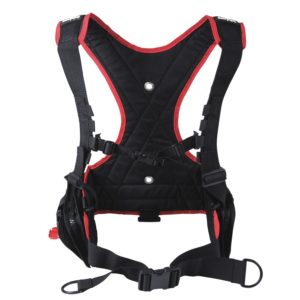
Two dry suit belt models: a black neoprene crotch/waist belt for suit fit management and a red weight belt for dry suit use. Both address the buoyancy and fit management challenges specific to dry suit diving — suit ballooning, air migration, and stable weight distribution.
Dry Suit Belts and Fit Management
A dry suit contains a volume of air that shifts with body position. Without a belt, air migrates freely through the suit — in a head-down position, air accumulates at the feet; in a head-up position, it moves to the upper body. This migration affects trim and buoyancy control, particularly for divers who dive in a non-horizontal position. A crotch strap or waist belt restricts air migration between the upper and lower sections of the suit, keeping the air where the diver needs it and maintaining more predictable buoyancy characteristics.
The New black belt (115 €) is a purpose-built dry suit belt with crotch strap configuration, available in three sizes (S/M/L). It is designed to pull down on the suit at the crotch, preventing the suit from riding up and keeping the waist section snug — this reduces ballooning in the leg area and improves horizontal trim.
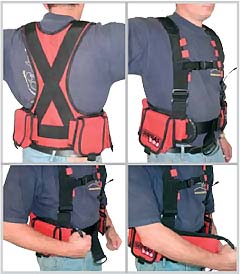
The Red weight belt (49 €) on sale is a standard weight belt adapted for dry suit use — configured to sit over a dry suit and carry weight to offset the positive buoyancy of the trapped air volume. It is a simpler solution for divers who need additional ballast without a full harness weight system.
What to Look For
- Suit ballooning and trim problems: If air accumulates in the legs during head-down work — common in wreck penetration or when reaching for something — a crotch belt is the solution. It restricts air from migrating past the waist.
- Belt sizing: The black belt is available in S, M, and L. Measure over the dry suit at the waist and hips, not bare. A belt that is too loose will not effectively restrict air migration; one that is too tight will be uncomfortable and may interfere with the exhaust valve on the arm.
- Integration with BCD/harness: If you use a BP/W backplate and harness, consider how the belt routes relative to the crotch strap of the harness. Some divers run the crotch strap of the harness and the dry suit belt in the same position, which can cause bunching and pressure points.
FAQ
Do I need a dry suit belt if my harness already has a crotch strap?
A harness crotch strap holds the harness to the body but does not necessarily restrict air movement through the suit. A dedicated dry suit crotch belt grips the suit material and prevents the air volume from migrating from the torso to the legs. Many technical divers use both — the harness crotch strap for kit retention and the dry suit belt for suit air management. Whether you need both depends on how much ballooning you experience in your specific suit and diving position.
When would I use a weight belt with a dry suit?
The red weight belt is for divers who need extra ballast to offset the buoyancy of the dry suit and undersuit system, and who do not have a weight-integrated BCD or backplate with trim pockets. It is a simple, affordable solution for occasional dry suit divers or as a backup ballast option. For regular technical diving, integrated weight systems in BP/W harnesses or specific trim pockets are the more common approach.