Showing the single result
CE-certified aluminium diving cylinders in S80 (11.1 L / 80 cuft) and S63 (9.0 L / 63 cuft) configurations. 6061-T6 aluminium alloy, 200 bar working pressure, G 5/8″ DIN valve connection. Standard stage, decompression, and bailout bottle sizes for technical diving. 227–243 €. For a wider selection of steel cylinders and higher-capacity configurations, see the full range at Sopras Tanks (soprassub.com).
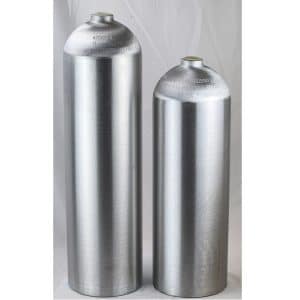
Aluminium Diving Cylinders — S80 and S63
The S80 (11.1 litres, 80 cubic feet) and S63 (9.0 litres, 63 cubic feet) are the two most widely used aluminium cylinder sizes in technical diving. The S80 is the global recreational and technical stage cylinder standard — it is the size used by dive centres worldwide and accepted at virtually every fill station. The S63 provides a lighter, smaller option for deco or bailout bottles where the full gas volume of an S80 is not required and reduced cylinder weight improves comfort on longer dives.
Both are manufactured from 6061-T6 aluminium alloy, heat-treated for increased strength, and rated to 200 bar working pressure with a G 5/8″ DIN valve connection. CE certification confirms compliance with European Pressure Equipment Directive requirements for cylinders placed on the EU market. The cylinders ship with a standard valve fitted — confirm the valve type included when ordering if a specific valve configuration (e.g. EN144 Nitrox thread) is required for your gas mix.
Aluminium Cylinder Characteristics
Aluminium cylinders have several characteristics that make them particularly suitable for stage and deco bottle use in technical diving. Corrosion resistance: when aluminium oxidises, it forms a stable, adherent oxide layer that prevents further degradation. This makes aluminium cylinders tolerant of saltwater and humid storage conditions that would cause progressive rusting in steel. No internal anti-rust treatment is required, and the interior remains serviceable for decades with proper maintenance.
Buoyancy characteristics: the most important operational characteristic of aluminium cylinders for technical divers is that they shift from negative buoyancy when full to positive buoyancy when empty. A full S80 is approximately −1.5 to −2 kg negative. An empty S80 is approximately +2 to +2.5 kg positive. This swing of approximately 3.5–4.5 kg over the dive must be planned for — the stage bottle that is negative at the beginning of a cave penetration becomes positive by the exit. Proper weighting and buoyancy planning accounts for this shift. For backmount doubles as back gas, this characteristic makes steel the preferred material; for slung stage and deco bottles where the buoyancy swing is a known and manageable variable, aluminium is the standard choice.
Working pressure: At 200 bar, the S80 holds 11.1 litres × 200 bar = approximately 2,200 litres of gas at surface pressure (roughly 78 cuft). This is approximately the same volume as a 12 L steel cylinder at 200 bar. The S80 designation comes from the US standard measurement of 80 cubic feet at 3,000 psi (207 bar).
What to Look For
- S80 vs. S63 selection: S80 for stage bottles where gas volume is the primary consideration. S63 for decompression or bailout where a lighter, more compact bottle is preferable and the gas volume is sufficient for the planned stop or emergency requirement. The S63 is approximately 0.5 kg lighter and 10% shorter than the S80, which is meaningful when slinging a bottle for 2–3 hours of decompression.
- Valve type: Confirm whether the included valve is a standard G 5/8″ DIN air valve or a Nitrox/oxygen-cleaned valve. If the cylinder will be filled with enriched air above 40% O₂, an oxygen-cleaned valve is required — standard valves may need to be replaced or an appropriate valve ordered from the Nitrox/Argon Valves category.
- Inspection status: New cylinders from Sopras Tek are CE-certified at point of manufacture. The first hydrostatic pressure test is required 5 years from the manufacturing date stamped on the cylinder neck. Confirm the manufacturing date on delivery and plan inspection accordingly.
- Rigging compatibility: For stage use, the S80 uses the S80-specific rigging set (761212, 41 €) from the Bottle Riggings category. The S63 diameter falls in the 130–160 mm range covered by the 76120/2-4 standard stage rigging set.
Maintenance and Care
Rinse aluminium cylinders with fresh water after every saltwater dive, paying attention to the valve area and any recesses where salt can accumulate. Never fully empty the cylinder — maintain a minimum 10–20 bar residual pressure to prevent moisture from entering through the valve during storage. Store vertically with the valve cap in place. Annual visual inspection by a trained inspector checks the interior for pitting, corrosion, or contamination, and the exterior for damage, dents, or gouges. Hydrostatic pressure test every 5 years (intervals vary by country). Cylinders used for Nitrox or oxygen service require oxygen cleaning — confirm with your fill station whether cleaning is current before filling with enriched air.
FAQ
Why do aluminium cylinders go positive at the end of a dive?
The gas inside the cylinder has weight. A full S80 contains approximately 1.8–2 kg of compressed gas. As the gas is consumed during the dive, this mass is removed from the system — the cylinder becomes lighter. Because the aluminium alloy itself is less dense than water at the cylinder’s volume, a fully empty aluminium cylinder floats. The buoyancy swing from full to empty is typically 3.5–4.5 kg for an S80. This is a fundamental characteristic of aluminium cylinders and must be included in the buoyancy plan for any dive where the stage bottle will be significantly depleted.
Can I use an aluminium S80 as a backmount primary cylinder?
Yes, but it is not the typical technical diving choice. The buoyancy swing from positive to negative makes weighting more complex, and the 200 bar working pressure limits gas capacity relative to a 232 bar or 300 bar steel cylinder of similar size. For recreational and light technical diving where a single cylinder is used, an S80 is perfectly functional. For serious technical diving with backmount doubles, steel is the standard choice.
How long do aluminium cylinders last?
With proper maintenance, aluminium cylinders typically remain in service for 20–30+ years. The limiting factor is usually the hydrostatic test — if a cylinder fails the test (permanent volumetric expansion beyond the rejection limit), it is condemned. Cylinders that pass every test and are maintained correctly can remain in service indefinitely. The manufacturing date on the neck determines the inspection schedule; the inspection sticker confirms current status.