Technical diving pushes both the diver and the equipment to the limit. Every piece of gear in your configuration serves a purpose — and accessories are no exception. Bolt snaps, reels, surface marker buoys, line cutters — these items form the backbone of a safe, streamlined setup. In technical diving, there is no such thing as an unimportant detail.

What Are Technical Diving Accessories
Technical diving accessories is a broad category covering all the supporting hardware, tools, and consumables a tech diver needs beyond the core life-support equipment. A backplate, wing, regulators, and cylinders form the foundation of any configuration, but it is the accessories that complete it and make it functional underwater.
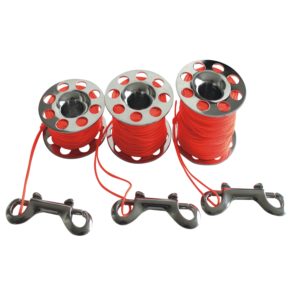
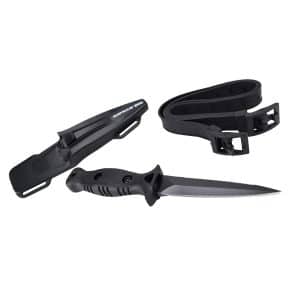
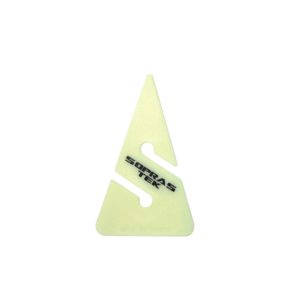
This includes items used for navigation and line work (reels, spools), signalling and decompression (SMBs, lifting bags), attachment and rigging (bolt snaps, double-enders), emergency response (knives, cutters), transport (gear bags), and field repair (neoprene glues). Each plays a defined role — and skipping or underestimating any of them can compromise the entire dive.
Key Categories of Technical Diving Accessories
Snaps
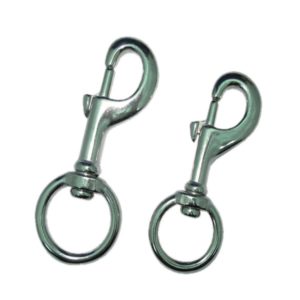
Bolt snaps and double-end snaps — the primary attachment hardware. Clip off lights, stage bottles, and SPGs to your harness D-rings with reliable one-handed operation.
Reels
Primary reels, safety reels, and compact spools. Lay guideline in overhead environments or deploy a DSMB during decompression stops.
SMB / Lifting Buoys
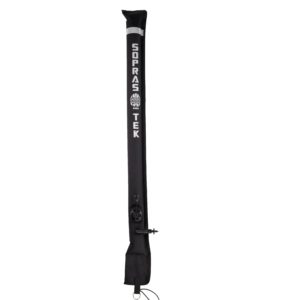
Surface marker buoys signal your position to the surface team. Lifting bags raise heavy objects from the bottom. Both rely on controlled inflation.
Knives and Cutters
Compact cutting tools for entanglement response. Line cutters handle monofilament, knives offer versatility for heavier materials.
Bags
Purpose-built gear bags for heavy, bulky tech diving equipment. Reinforced construction, drainage, and smart organisation.
Glues
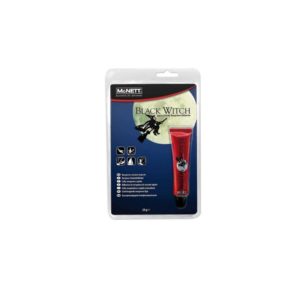
Neoprene glues and contact adhesives for field repairs on wetsuits and drysuits. A small kit can save an entire day of diving.
Others
Additional accessories that complete a well-prepared tech diver’s kit.
What to Look for in Tech Diving Accessories
- Material quality is the single biggest factor. Saltwater, pressure, and repeated use destroy anything not built to resist them. For metal components, marine-grade stainless steel (SS316) is the baseline. Brass appears in certain snap designs where its properties are an advantage.
- Configuration compatibility — everything must work with your BP/W system. Bolt snaps need to fit your D-rings. Reels need to be operable with gloves. Cutting tools must be reachable in any body position.
- Simplicity and reliability — every moving part is a potential failure point. The best accessories do their job every time, with no surprises. No place for unnecessary complexity.
Maintenance and Care
After every dive, rinse all accessories thoroughly with fresh water. Ten minutes soaking in a bucket is enough for most items — but make sure bolt snap gates are worked open and closed a few times during the rinse to flush out salt crystals and fine sediment.
Dry everything completely before storage. Storing wet metal components in a closed bag is a fast track to corrosion. Periodically check reel lines for abrasion or UV damage, test snap gate action, and inspect knife or cutter blades for chips and dullness.
Before each dive, run through your accessories as part of your gear check. Test every snap. Confirm your reel line runs freely. Inflate your SMB and check that it holds air. Make sure your cutting tool is where it should be and sharp enough to do its job.
Frequently Asked Questions
Why does material choice matter so much in tech diving accessories?
Technical divers spend extended time in demanding environments — deep water, overhead spaces, long decompression stops. A corroded bolt snap gate that sticks, or a reel handle that jams, can escalate from inconvenience to safety issue very quickly. Corrosion-resistant materials like SS316 stainless steel ensure reliable function over years of use.
What is the difference between a reel and a spool?
A reel has a frame and a winding handle for controlled deployment and retrieval of line over longer distances — typical line capacity ranges from 30 to over 100 metres. A spool is a simple flat cylinder with line wound around it, compact and light, commonly used for shorter tasks like DSMB deployment with 15–30 metres of line.
How often should I inspect my diving accessories?
A quick visual and functional check before every dive is the minimum. After a dive trip, do a more thorough inspection — look for early signs of corrosion, check lines for fraying, test blade sharpness, and verify your SMB holds air. Replace anything that shows wear.
Can I use recreational diving accessories for technical diving?
Some may work in a pinch, but recreational accessories are generally not built for the same level of stress and frequency of use. Technical diving demands higher reliability, and the consequences of equipment failure are more severe.
Do I need both a knife and a line cutter?
Many technical divers carry both, and for good reason. A line cutter handles monofilament and thin lines quickly and safely. A knife offers more versatility for thicker materials. Carrying both gives you redundancy — and redundancy is not optional in technical diving, it is a core principle.