In technical diving, the BCD is not a lifejacket — it is a precision buoyancy and trim platform. The backplate and wing (BP/W) system has become the standard for technical divers because it separates buoyancy, structure, and fit into independent, replaceable components. Whether you are configuring a backmount doubles setup, a sidemount cave rig, or a single tank recreational system, the right BCD gives you the control to stay horizontal, streamlined, and focused on the dive.
Browse complete BP/W packages, individual backplates, wings, harnesses, hardware, and accessories — all sourced from manufacturers who build specifically for the demands of technical diving.
For BCD hoses please visit https://soprassub.com/product-category/hoses/bc-hoses/
-
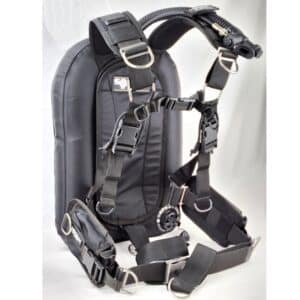
Complete BCD (10)
-
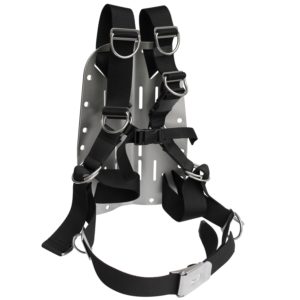
Harnesses (15)
-
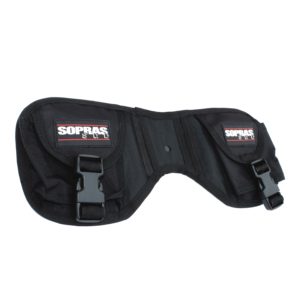
Accessories (35)
-
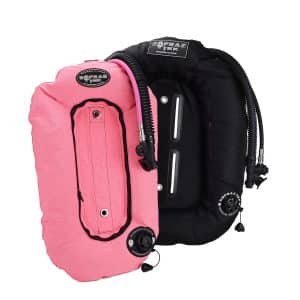
Bladders (28)
-
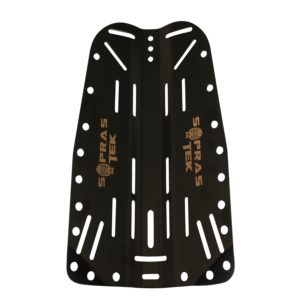
Back plates (22)
-
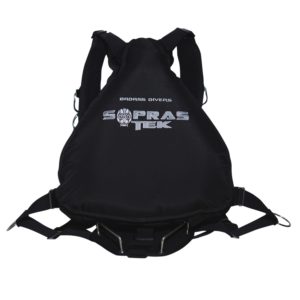
Sidemount (10)
-
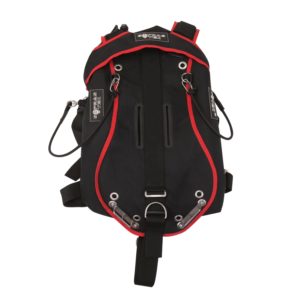
Sideback (2)
-
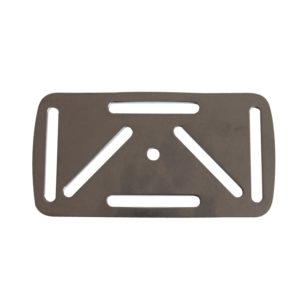
Hardware (50)
-
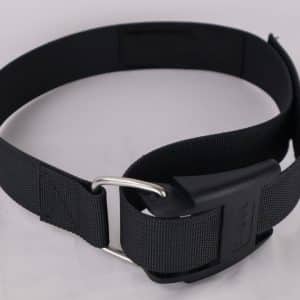
Belt for tanks (8)
-
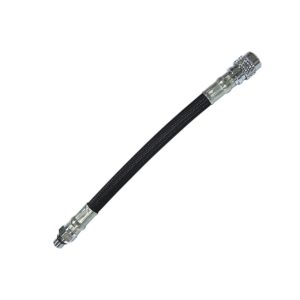
BCD hoses (4)
Why the Backplate and Wing System Defines Technical Diving
Traditional jacket-style BCDs inflate around the diver’s torso, shifting buoyancy to the sides and front and pushing the body into an upright position. This is incompatible with the horizontal trim required in technical diving — in overhead environments, during extended decompression stops, or when managing multiple stage bottles, body position directly affects gas consumption, propulsion efficiency, and safety.
The BP/W system resolves this by placing all buoyancy behind the diver in a rear-mounted bladder (the wing), while the rigid backplate distributes cylinder weight across the torso and provides structural attachment points. A continuous-webbing harness connects everything to the diver with minimal hardware and infinite adjustability. Each component is independently selectable: a singles wing can be swapped for a doubles wing without replacing the harness or plate, and the entire system can be rebuilt, repaired, or upgraded piece by piece.
Complete BCD
Pre-assembled backplate, wing, and harness packages — including systems like the Compact Lite series, Granat Tech, and LZ Donut SM — ready to configure and dive without sourcing components separately.
Back Plates
Standalone backplates in aluminium, stainless steel, carbon fibre, and plastic/carbon composite — the structural core of any BP/W system.
Bladders
Singles wings (11–16 l), doubles wings (20–30 l), and rebreather/double bladders — matched by lift capacity to cylinder configuration and total equipment weight.
Harnesses
DIR-style continuous webbing harnesses, padded systems, ergonomic variants, and modular configurations — from the basic Harness DIR to the Harness modular and Harness ergo.
Sidemount
Dedicated sidemount BCD systems including the Sidemount System 2025, Sidemount BCD 17 litres, and Travel Sidemount BCD, along with cargo pouches and weight pockets for side-mounted configurations.
Sideback
Hybrid systems that allow switching between sidemount and backmount configurations using a single harness platform.
Hardware
D-rings, buckles, tri-glides, bolt snaps, cam bands, and all stainless steel and aluminium components for building, adjusting, and maintaining BP/W and sidemount systems.
Accessories
Weight pockets, equipment pockets, inflators, dump valves, and other add-ons for refining a BCD setup — including the full range of trim weight systems and inflator mechanisms.
Belt for Tanks
Cam bands and tank straps for securing cylinders to single tank adapters or directly to the backplate — available in multiple lengths for different cylinder diameters.
BCD Hoses
Low-pressure inflator hoses for connecting the BCD wing to the first stage — available in standard and sidemount configurations.
Backplates: Material, Weight, and Buoyancy
The backplate is the structural foundation of the system. It sits against the diver’s back, transfers cylinder weight across the torso, and provides mounting points for the harness webbing and wing. Material selection is the primary variable — each option creates a different balance of system weight and buoyancy offset.
Stainless steel plates (2–3 kg) are the standard for cold-water and drysuit diving. The plate’s negative buoyancy offsets the lift from thick undersuits and reduces the amount of lead ballast needed. Aluminium plates weigh approximately 1 kg and are the better choice for warm-water diving and travel. Carbon fibre and plastic/carbon composite plates offer the lowest weight with adequate structural rigidity — the Plastic/Carbon fiber plate and Carbon back plate cover this segment for divers who need to minimise system weight without compromising plate geometry.
Wings: Lift Capacity and Configuration Match
Selecting the wrong wing size is one of the more common setup errors in technical diving. A singles wing (11–16 l lift) is designed to wrap closely around a single cylinder — using it on a doubles configuration leaves insufficient lift for surface support and ascent. Conversely, a doubles wing (20–30 l lift) on a single tank creates excess bladder volume that balloons to the sides, disrupting streamlining and trim.
For overhead and deep technical diving on doubles, dual-bladder wings provide redundancy: if the outer bladder is damaged, the inner bladder maintains buoyancy. Divers using a drysuit as a backup buoyancy source may consider a single-bladder wing sufficient, but this is a configuration decision that should reflect the specific diving environment and risk profile. The rebreather and double-bladder category serves divers who require independent or dual bladder systems on closed-circuit setups.
What to Look For
- Configuration match between wing and cylinder setup — a singles wing for a single tank, a doubles wing for backmount twins, a dedicated sidemount BCD for side-mounted cylinders. The wing volume must correspond to the cylinder arrangement; mismatches affect trim, streamlining, and surface support.
- Backplate material relative to exposure suit buoyancy — stainless steel for drysuit and thick wetsuit diving where the plate’s negative buoyancy offsets suit lift; aluminium or carbon/plastic composite for warm-water or travel configurations where minimising system weight is the priority.
- Harness type and adjustability — a continuous-webbing DIR harness with a crotch strap provides the most reliable and adjustable fit with minimal hardware. Padded and modular options are available for divers who prioritise comfort over system simplicity, but every additional buckle or clip is a potential failure point.
- Dump valve accessibility with gloves — verify that all dump points (shoulder pull-dump and lower OPV) can be located and operated while wearing the gloves appropriate for your diving conditions. A dump valve that requires fine motor control to activate is a hazard in cold water.
- Hardware material and corrosion resistance — stainless steel D-rings, bolt snaps, and cam band buckles are the standard for saltwater technical diving. Avoid aluminium hardware in load-bearing attachment points and replace any hardware that shows pitting or spring fatigue before it fails in the water.
Maintenance and Care
After every dive in salt water, rinse the entire system — backplate, harness webbing, wing, and all hardware — with fresh water. Inflate the wing partially before rinsing, then introduce fresh water through the oral inflator and inflate fully to flush the interior of the bladder. Open the dump valves to drain, then repeat. Salt residue inside the bladder degrades the material and accelerates corrosion on internal valve components.
Store the wing with 2–3 breaths of air inside to prevent the inner surfaces from sticking together over time. Hang the system in a well-ventilated, shaded location — UV exposure weakens both nylon webbing and bladder material. Do not fold the wing at sharp angles for extended storage.
Service the inflator mechanism on the manufacturer’s recommended schedule. A sticking inflate or deflate button is a warning sign: a free-flowing inflator that continuously adds gas to the wing during ascent can cause an uncontrolled ascent. Inspect the low-pressure hose connection for micro-cracking at the hose end, particularly on hoses exposed to repeated flexing at temperature extremes.
Check all harness webbing for fraying, cuts, UV fading, and stitching integrity at load-bearing points. Inspect D-ring welds and bolt snap springs for corrosion. Test the over-pressure relief valve (OPV) periodically by inflating the wing to capacity and confirming it vents correctly — an OPV that does not open at the rated pressure is a bladder failure risk.
FAQ
What is the difference between a BP/W system and a jacket BCD?
A backplate and wing system concentrates all buoyancy behind the diver in a rear-mounted bladder, enabling a flat, horizontal body position that reduces drag and gas consumption. A jacket BCD inflates around the torso, pushing the diver upright — acceptable for casual recreational diving but counterproductive for technical diving trim. The BP/W system is also fully modular: backplate, wing, and harness are independent components that can be selected, adjusted, or replaced separately rather than treated as a single unit.
How do I choose between a stainless steel and aluminium backplate?
The choice is primarily about buoyancy offset. A stainless steel plate weighs approximately 2–3 kg and provides significant negative buoyancy — useful in drysuit or thick wetsuit diving where the exposure suit itself is positively buoyant and requires counterbalancing. An aluminium plate weighs around 1 kg and contributes negligible buoyancy offset, making it the standard choice for warm-water diving and travel where minimising total system weight is the priority. Carbon and plastic/carbon composite plates fall below aluminium in weight with minimal buoyancy impact.
What lift capacity wing do I need for a doubles setup?
For a standard backmount doubles configuration (two steel 12 l cylinders plus manifold, regulator, and standard accessories), a wing with 18–27 kg of lift covers the majority of configurations. Divers adding stage or deco bottles, or running heavy steel cylinders, should verify that the wing’s rated capacity exceeds the total positive buoyancy of the cylinders when empty, plus a margin for surface support. Avoid oversizing — a wing with excess capacity creates surplus volume that balloons and disrupts streamlining when only partially inflated.
Is a sidemount system suitable for open-water technical diving or only for cave diving?
Sidemount originated in cave exploration but is used in open-water technical diving for several reasons beyond restriction passage. Each cylinder is independently accessible — the diver can reach both valves without assistance, visually monitor gas supply, and switch between regulators without manifold management. Sidemount also provides inherent gas redundancy through two completely independent breathing circuits. Divers transitioning between cave and open-water technical diving benefit from a single configuration they can use across both environments, such as the Sidemount BCD 17 litres or the Sidemount System 2025.
Can I build a BP/W system incrementally from separate components?
Yes — this is one of the practical advantages of the BP/W approach. You can begin with a complete harness and backplate, add a wing matched to your current cylinder configuration, and later swap the wing when moving from single tank to doubles diving without replacing the rest of the system. Hardware, D-rings, trim weight pockets, and inflator mechanisms are all available as individual components. The key is ensuring that the wing dimensions and mounting geometry are compatible with the backplate — most standard plates use a common bolt pattern, but verify compatibility between components before purchasing.