Showing all 12 results
Consumable and service components for dry suit maintenance: latex, silicone, and TPE seals for neck and wrist positions; ring seal systems (Orust, QCS, Slaggo) for tool-free field seal replacement; inflation and deflation valves; and Tizip waterproof zippers in multiple lengths. These are the parts that require periodic replacement to keep a dry suit watertight and functional over its service life.
Dry Suit Seals, Valves, and Zippers
The watertight integrity of a dry suit depends on three components: the seals (neck and wrist), the valves (inflation and exhaust), and the zipper. All three are subject to wear and will eventually require replacement. Maintaining a stock of the correct seal size and type for your suit, and inspecting valves and the zipper regularly, is the foundation of dry suit reliability.
Seal Materials
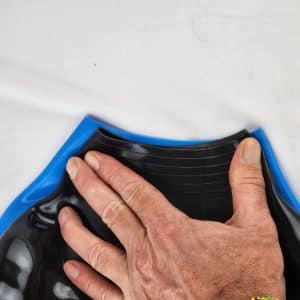
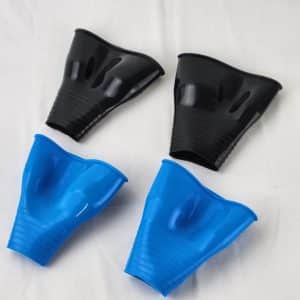
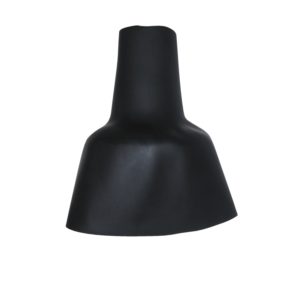
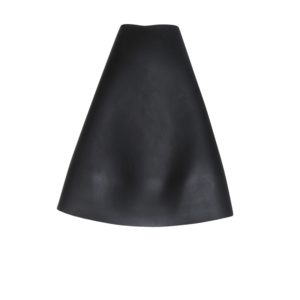
Latex seals (standard neck 35 €, wrist bottle neck 29 €, wrist conical 23 €) are the traditional and most widely used seal material. They provide a close, adjustable fit and are straightforward to bond directly to the suit with neoprene adhesive. Latex ages with UV exposure and oxidation — inspect for cracking or loss of elasticity and replace before failure rather than after.
Silicone seals (neck 25 €, wrist 12 €) do not degrade with UV exposure in the same way as latex, making them a better long-term material for suits stored or used frequently outdoors. Silicone is the preferred option for divers with latex sensitivity. They are slightly more prone to tearing when snagged than latex but typically have a longer overall service life.
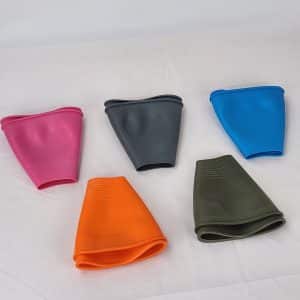
TPE wrist seals (14 €) use thermoplastic elastomer — a flexible, durable material available in multiple colours (standard, blue, pink, orange, green, lavender). TPE is resistant to UV and chemical degradation and provides good elasticity. The multiple colour options allow personalisation or identification of suits in a group.
Ring Seal Systems
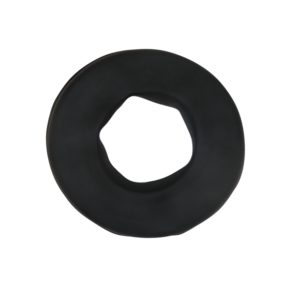
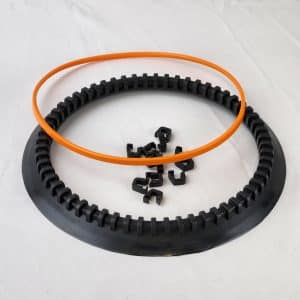
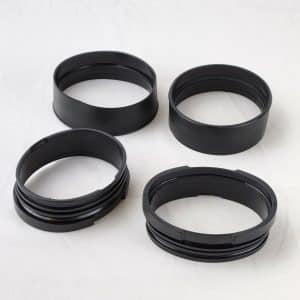
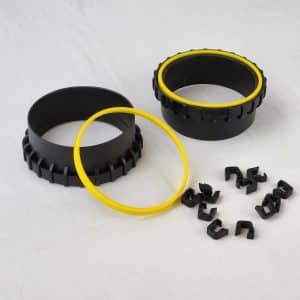
Ring seal systems replace the glued-on seal with a two-part retaining ring that locks the seal to the suit without adhesive. The Orust easy neck system (60 €) fits at the neck; the QCS wrist ring system (50 €) and Slaggo wrist ring system (70 €) fit at the wrist. Once installed, seals can be changed in the field in minutes — relevant for multi-day or remote expedition diving where a torn seal would otherwise end the trip. Ring systems require initial installation (typically by a service technician) and replacement seals matched to the specific ring format.
Valves
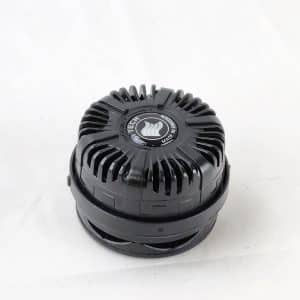
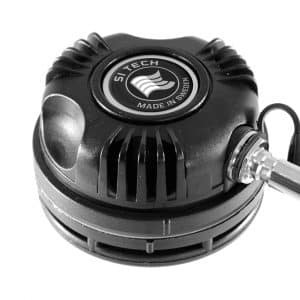
The Inflation Valve Shell 25210 (46 €) is the LP inflation valve body — the fitting mounted on the chest of the suit that accepts the LP hose from the first stage regulator. The Deflation valve Argo (46 €) is the exhaust valve, typically mounted on the upper left arm, through which expanding air is vented on ascent. Both valves should be tested for smooth operation before every dive — a sticking exhaust valve is a safety issue that must be rectified before entering the water.
Tizip Zipper
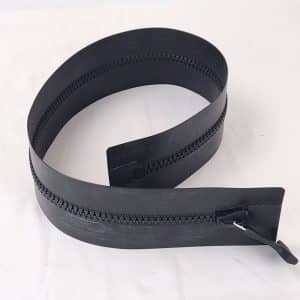
The Dry zipper Tizip (70–80 €) is a waterproof zipper replacement component available in multiple lengths. Tizip is a coil-type waterproof zipper with a plastic tooth construction offering smooth, low-force operation compared to older metal-tooth designs. Zipper replacement is a professional service job — the zipper must be bonded or stitched to the suit material correctly to maintain watertight integrity.
What to Look For
- Seal format for your suit: Confirm whether your suit uses a glued neck seal (standard or silicone) or a ring seal system, and which wrist format — bottle neck or conical — your suit is configured for. Ordering the wrong format requires a second order and delays maintenance.
- Ring system compatibility: Orust, QCS, and Slaggo are not interchangeable. Confirm the exact ring system installed in your suit before ordering replacement seals.
- Valve service vs. replacement: Before replacing a valve, check whether the issue is internal (o-ring, spring) or requires a full valve body replacement. In many cases, valve o-rings can be replaced without replacing the entire valve body.
FAQ
Can I replace a dry suit seal myself?
Glued latex or silicone seal replacement can be done by divers with some experience — the process involves removing the old seal, cleaning the suit cuff surface, and bonding the new seal with neoprene contact adhesive with a precise overlap. Ring seal systems are significantly simpler to field-swap once installed. For zipper and valve replacement, professional service is recommended to ensure the work is watertight. A pressure test after any seal or valve replacement is good practice.
How often should I replace dry suit seals?
There is no fixed interval — replace seals when they show visible signs of degradation: cracks, tears, white oxidation lines, or loss of elasticity at the edges. Latex seals typically last 2–5 years; silicone and TPE last longer under equivalent conditions. Inspect before every dive, and carry a spare seal on multi-day trips. If a seal shows cracking at the edges under light tension, replace it before the next dive.
What is the difference between the QCS and Slaggo wrist ring systems?
Both are wrist ring systems for tool-free seal replacement, but they use different ring and seal geometries. The QCS (50 €) and Slaggo (70 €) are not interchangeable — once a suit is fitted with one system, you must use replacement seals matched to that ring format. The Slaggo system is used on the higher-specification front-zip models in the Sopras Tek range (11044 series). If upgrading an existing suit, both can be installed by a technician; the choice depends on compatibility with the cuff diameter of the suit.