Showing all 6 results
BCD inflators, OPR valves, and maintenance tools for technical diving wings and bladders. The inflator is the primary interface between the low-pressure inflator hose and the bladder — it controls both inflation (via the LP inlet button) and oral inflation. The OPR valve is the safety over-pressure relief on the bladder. Both are serviceable components with wear parts that require periodic replacement.


Inflator and Valve Range
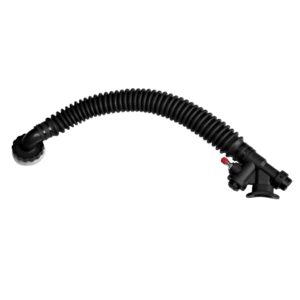
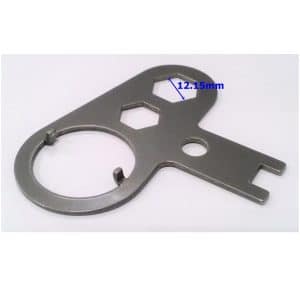
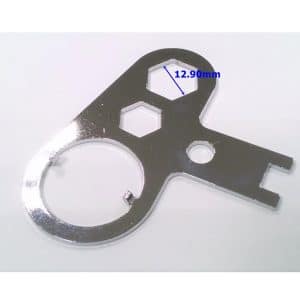
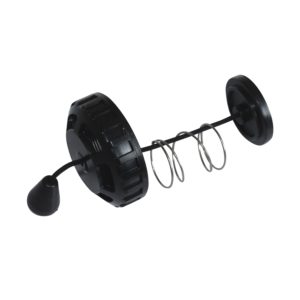
Three inflator series are available: the Inflator 400 or 475mm (1C000245/6) is the standard LP inflator for backmount single and doubles wings — available in 400mm and 475mm hose lengths to accommodate different torso heights and wing inflator hose routing preferences. The Inflator TEK 300, 350 or 400mm (1C000257/254/256) is the technical variant with a shorter, more compact body suited to configurations where the inflator must clear the manifold on a doubles setup — available in 300, 350, and 400mm lengths. The Inflator POWER X01 (400–600) (901020/15) is a higher-flow inflator for larger-capacity wings such as doubles and dual-bladder wings where rapid inflation at depth is required. The OPR valve for BCDs (1C000244) is a replacement over-pressure relief valve — the OPR opens automatically when bladder pressure exceeds a set threshold to prevent over-inflation damage. The valve is a wear component and should be inspected annually and replaced when it shows signs of weeping or reduced cracking pressure. Maintenance tools: MULTIPLE TOOL FOR POWER INFLATOR SS420 (654100) and its coated variant (654101) are the service tools for the Power X01 inflator — used to disassemble the inflator for seal and spring inspection without damaging the inflator body.
What to Look For
- Hose length vs. torso height — the inflator hose must reach from the wing inflator port to the diver’s mouth for oral inflation without pulling the wing out of position. A hose that is too short creates tension on the wing; too long creates a loop that can snag. Measure the routing distance before selecting hose length.
- TEK vs. standard inflator — the TEK inflator body is shorter and fits more easily between the manifold on a doubles setup. If your wing inflator port is behind the manifold on a doubles, the TEK variant is the correct choice.
- OPR valve inspection — a weeping OPR valve (one that allows slow air loss from the bladder even at normal pressure) must be replaced immediately. A partially open OPR causes the bladder to lose trim gas during a dive and is a safety issue.
FAQ
How often should the inflator be serviced?
The inflator should be visually inspected after every dive trip and bench-serviced (seals and spring replacement) every 1–2 years depending on dive frequency. Salt water contamination accelerates wear on the LP inlet valve — if the inflator auto-inflates (adds air to the bladder without the button being pressed) or does not inflate when the button is pressed, it requires immediate service. The Power X01 service tool (654100/1) allows the diver to service the inflator without sending it to a service centre.