Showing all 6 results
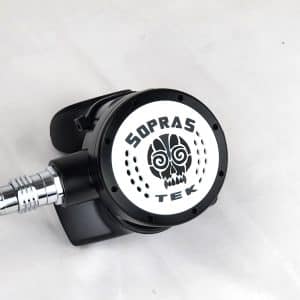
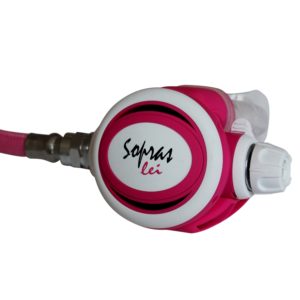
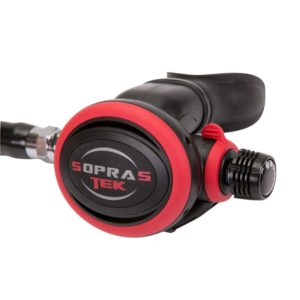
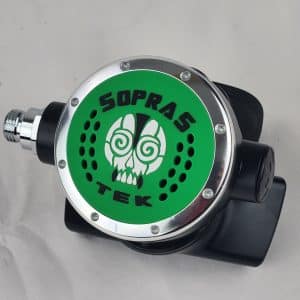
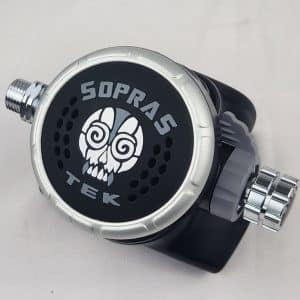
Six second stages covering balanced adjustable and unbalanced designs for technical and recreational diving. The range includes the Venere balanced adjustable in Diamond and Special Edition trims, the Saturno balanced adjustable in pink and red, the Andromeda unbalanced, and the Oxygen Special Edition — a dedicated oxygen-cleaned second stage for deco and travel bottles carrying high-fraction O₂ mixes.

Second Stage Mechanics and Selection
The second stage reduces intermediate pressure from the first stage — typically 7–10 bar above ambient — to ambient pressure on demand. The core mechanism is a demand valve: inhalation creates a pressure differential that lifts or deflects the valve, allowing gas flow, which stops when inhalation ceases. The primary technical design distinction is between balanced and unbalanced second stages, and whether the inhalation trigger point is adjustable.
A balanced second stage delivers consistent breathing effort regardless of depth; unbalanced designs exhibit slightly increased effort with increasing depth as water pressure loads the diaphragm. For technical diving at deeper depths or in multiple-cylinder configurations, balanced adjustable second stages such as the Venere or Saturno are the standard specification. The Venere bal.adj. is the primary technical second stage in the Sopras Tek range, available in Diamond and Special Edition finishes with DIN or INT connection options.
Oxygen Second Stage
The 2.St Oxygen Special Edition is oxygen-cleaned and prepared for use with high-fraction oxygen mixes including pure O₂ deco bottles. Any second stage used with gas mixes above 40% O₂ must be oxygen-cleaned — all hydrocarbon-based lubricants replaced with oxygen-compatible alternatives, and all internal surfaces free of contamination that could ignite in an oxygen-rich environment. The Oxygen Special Edition leaves the factory in this condition, removing the need for field cleaning before use with O₂ and nitrox deco mixes.
What to Look For
- Balanced adjustable for technical depth: At depths beyond 30m, water pressure acting on the diaphragm of an unbalanced second stage increases the cracking effort required to initiate gas flow. Balanced adjustable designs compensate, maintaining consistent breathing effort from the surface to maximum depth.
- Inhalation adjustment range: Adjustable second stages allow the inhalation trigger sensitivity to be tuned — higher sensitivity reduces breathing effort but increases the risk of free-flow in current; lower sensitivity requires more deliberate inhalation. Venere and Saturno second stages offer in-water adjustment.
- Oxygen-dedicated second stage: If you carry an O₂ deco bottle, use a dedicated oxygen-rated second stage rather than oxygen-cleaning a standard unit. The Oxygen Special Edition is factory-prepared and clearly marked, reducing the risk of contamination between dives.
- Mouthpiece compatibility: Anatomic mouthpieces in multiple colours (available in Accessories) are compatible with standard 2nd stage bite tab connections. Custom mouthpieces reduce jaw fatigue on longer dives and are recommended for any dive exceeding 30 minutes of mouthpiece use.
- Hose routing: For sidemount and DIR backmount long-hose configurations, the second stage must accept the hose length and routing used. The Venere series is routinely used in long-hose configurations (200 cm primary hose, necklaced backup) in DIR and GUE-influenced setups.
Maintenance and Care
Rinse second stages in fresh water without pressing the purge button — this prevents water ingestion into the internal chamber. Allow to dry completely before storage; storing wet promotes corrosion of the valve spring and seat. Adjust inhalation sensitivity to a mid-range setting before storage to avoid spring fatigue from extended compression. For oxygen second stages, keep them sealed in a clean bag between dives and avoid contact with hydrocarbon lubricants or contaminated equipment. Annual service using model-specific second stage kits replaces the demand valve seat, diaphragm, and spring. Do not disassemble the second stage mechanism without the appropriate tools — the exhaust valve and demand valve require specific alignment during reassembly.
FAQ
What is the difference between the Venere Diamond and Venere Special Edition?
Both are balanced adjustable second stages with the same core mechanism. The difference is aesthetic — colour trim, housing finish, and cosmetic details. The Diamond edition and the Special Edition (black trim) provide the same breathing performance and technical specification. Choice between them is a matter of personal preference and whether you want your equipment matched to a specific colour scheme or finish.
Can I pair any Sopras Tek second stage with any first stage?
Yes. All Sopras Tek second stages use a standard 9/16″ UNF LP port connection compatible with any Sopras Tek first stage LP port. They can also be connected to first stages from other manufacturers that use the same industry-standard thread. The Complete Sets category provides pre-matched pairs, but individual second stages can be mixed with any compatible first stage.
Is the Oxygen Special Edition suitable for nitrox as well as pure O₂?
Yes. An oxygen-cleaned second stage is suitable for any oxygen fraction from air to 100% O₂. The Oxygen Special Edition is the appropriate choice for any high-fraction nitrox (above 40% O₂) or pure oxygen deco and travel bottle setup. It should be kept oxygen-clean between dives — store it sealed, do not use hydrocarbon lubricants near the connections, and do not use it with air or standard nitrox if you want to maintain its oxygen service status.
What does “balanced adjustable” mean on the Venere and Saturno?
Balanced means the demand valve mechanism is compensated so that breathing effort does not increase with depth. Adjustable means the inhalation cracking pressure — the effort required to initiate gas flow — can be tuned by an external dial or screw without disassembling the second stage. Lower cracking pressure settings make breathing effortless but may increase susceptibility to free-flow in current or surge; higher settings require more deliberate inhalation. Most divers find a mid-range setting optimal for still-water technical diving.
Can I use the Venere second stage in a long-hose DIR configuration?
Yes. The Venere is routinely used in long-hose backmount configurations where the primary second stage routes on a 200 cm hose under the right arm, and a backup second stage is worn on a necklace. The second stage accepts standard hose connections and can be configured with any LP hose length from the Regulators Hoses category. Long-hose configurations are common in technical, cave, and GUE-influenced recreational diving where hose donation to a diver in distress needs to be immediate and unobstructed.